


Around 170 million people use Uber’s ride-hailing, food delivery, and commercial freight services every month.
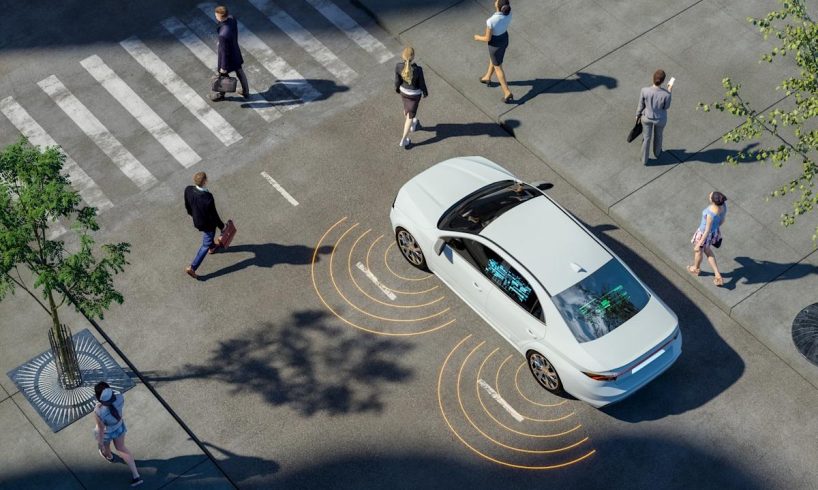
Uber is leaning into autonomous vehicles to gradually replace its 8.5 million human drivers, which could transform the company’s economics.
Uber’s CEO thinks autonomous mobility is a $1 trillion opportunity in the U.S. alone, and it could be the key to a fivefold return for investors.
10 stocks we like better than Uber Technologies ›
Uber Technologies (NYSE: UBER) operates the world’s largest ride-hailing network, along with popular food delivery and commercial freight services. It relies on 8.5 million drivers and couriers to fulfill demand from its 170 million monthly active customers, but the company is on the cusp of a major shift that could transform its financial results.
Uber has signed partnerships with 18 companies that develop autonomous cars, robots, and even aircraft, and that list is growing. Since human drivers are the company’s largest cost, these deals could result in billions of dollars in savings every year, which will flow through to Uber’s revenue and its bottom line.
In fact, I think Uber stock could soar fivefold within the next decade thanks to autonomous technologies. Here’s how it could turn a $200,000 investment into $1 million by 2035.
Image source: Getty Images.
During the first quarter of 2025 (ended March 31), Uber reported $42.8 billion in gross bookings, which was the dollar value of every trip, food order, and commercial delivery the platform facilitated on behalf of its customers. The $18.6 billion drivers and couriers earned during the quarter was the single-largest component of the gross bookings figure.
After deducting a further $12.9 billion in merchant payouts (money paid to restaurants for customers’ food orders, as an example), Uber was left with $11.5 billion in revenue. Then, once the company factored in operating costs like marketing and research and development, its net income (profit) for the quarter came in at $1.7 billion on a generally accepted accounting principles (GAAP)…
..