


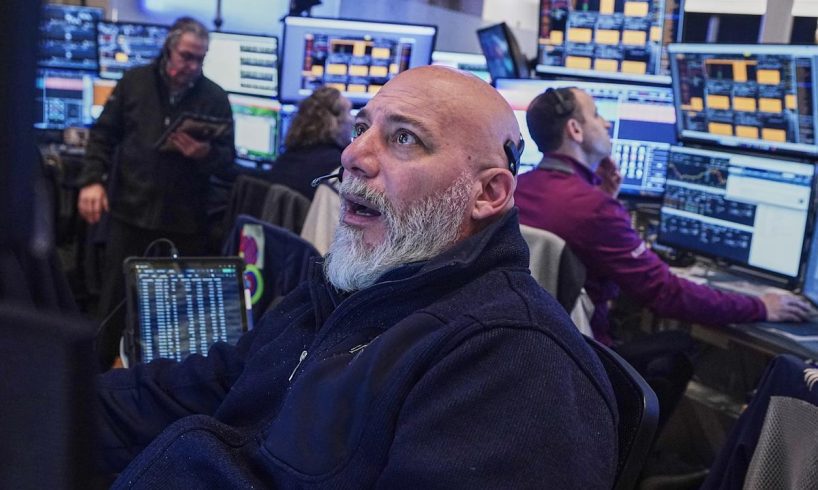
The US stock market, typically considered the engine of the global economy, has struggled to find its footing through the first months of 2026, even as the rest of the world has surged ahead.
As a result, US stocks are off to their worst start of the year since 1995 against the global market, according to data from Goldman Sachs.
While the S&P 500 (^GSPC), tracking the largest US companies, has fallen by 1% since the start of the year, an index tracking market returns throughout the rest of the global economy (ACWX) has returned 8%. The trend holds true over the past year, too, where the ex-US index has risen by 30%, triple the 10% return from the US over the same period.
And in an environment where geopolitical risk increasingly comes from inside the US — whether from the Trump administration’s tariff regime, comments about an annexation of Greenland, or other moves — investor attention has turned toward the rest of the world.
“For global investors, the re-pricing of [the US dollar] and erosion of the spread between US’s [equity risk premium] and others was brutal” in 2025, Viktor Shvets, the head of global desk strategy at Macquarie, wrote in a recent note to clients.
At the same time, even as the US market has far underperformed the rest of the world, US stocks just keep getting more expensive.
In the years following the global financial crisis, according to Apollo chief economist Torsten Sløk, price-to-earning ratios in the US versus the rest of the world remained broadly similar. (Disclosure: Yahoo is a portfolio company of funds managed by affiliates of Apollo Global Management.) But through the last 10 years, as Big Tech’s explosion has driven valuations sky high, US price-to-earnings ratios are now an average of 40% higher than those throughout the rest of the world market.
The US stock market has also become heavily concentrated in the tech sector.
As of December, the top 10 largest companies in the US — the “Magnificent Seven” Big Tech stocks, plus Broadcom (AVGO), Eli Lilly (LLY), and Visa (V) — accounted for…
..